Ibérico Pork Coppa

Weight Range: 2 - 3 lbs
Quantity: 1 Steak
CHOOSE SIZE:
Description

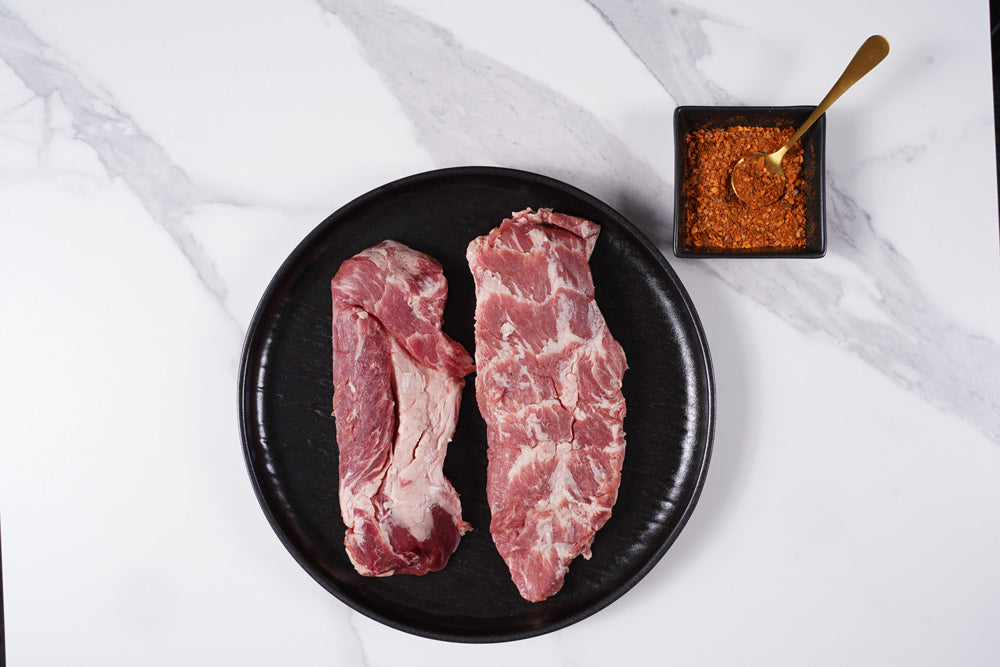
Coppa comes from the muscle group running between the neck and fourth rib — a zone that works just enough to develop deep flavor but not so hard that it toughens up. On an Ibérico pig, that cut is something else entirely. The acorn-finished diet these pigs eat in Spain's dehesa oak forests biochemically changes the fat itself, loading it with oleic acid (the same monounsaturated fat in olive oil), which means the marbling melts at a lower temperature and carries flavor compounds that commodity pork simply can't replicate.

Sourced directly from family-owned farms in Spain, raised crate-free and allowed to live twice as long as industry-standard pigs, this coppa arrives at 1.5–3 lbs and is ready to dry-cure, slow-roast, or slice thin and eat as-is. Origin: Spain. Weight: 1.5–3 lbs. Quantity: 1 package.

Why We Love It

Most people discover coppa through Italian charcuterie boards and never think much about where the cut comes from. But the neck-shoulder transition is genuinely one of the most interesting muscles on any animal — it's the connective tissue-to-intramuscular fat sweet spot that makes braised short rib and pork collar so compelling. On an Ibérico pig, that anatomy meets a fat profile unlike anything else in the pork world. The oleic acid content in Ibérico fat runs 55–60%, compared to roughly 35% in standard breeds. That's not a marketing stat — it's the reason a thin slice melts on your tongue instead of coating it.

The pigs behind this coppa come from Spain's dehesa — a centuries-old silvopastoral ecosystem of cork and holm oak forests where free-ranging pigs forage for bellotas (acorns) during the montanera season. These farms are family-owned, crate-free, and raise animals on a timeline that's genuinely rare: these pigs live roughly twice as long as conventionally raised pigs, which matters because longer maturation means deeper intramuscular fat development and more complex flavor compounds. This isn't welfare marketing — it's the reason the product tastes the way it does.

Cut: Neck-to-fourth-rib transition — naturally marbled, tender, and deeply flavorful

Breed: Ibérico, acorn-finished in Spain's dehesa oak forests

Fat profile: High oleic acid content — lower melt point, cleaner finish, richer flavor carry

Raising standards: Crate-free, extended maturation, family-farm sourced

Versatility: Exceptional for dry-curing, slow-roasting, braising, or slicing raw as charcuterie

What makes thE MEATERY different?

The Meatery stands out by combining tradition with innovation. Our butchers bring decades of expertise, carefully preparing each cut to perfection. From rare heritage breeds to custom aging techniques, we go the extra mile to bring you unique flavors and textures you won’t find elsewhere. Plus, our commitment to transparency means you always know the story behind your food.

How should I cook it?

Know Your Options First

Ibérico Coppa is genuinely versatile — but the right method depends on what you want out of it. The high oleic fat content means it responds differently than standard pork: it renders earlier, browns faster, and doesn't need as much heat to feel luscious. Don't overcook it. Ibérico pork is safe at 145°F (USDA standard), and that's where you want to stop.

Slow Roast (Recommended for Whole Coppa)

Season aggressively with salt, pepper, smoked paprika, and garlic — the fat can handle bold seasoning

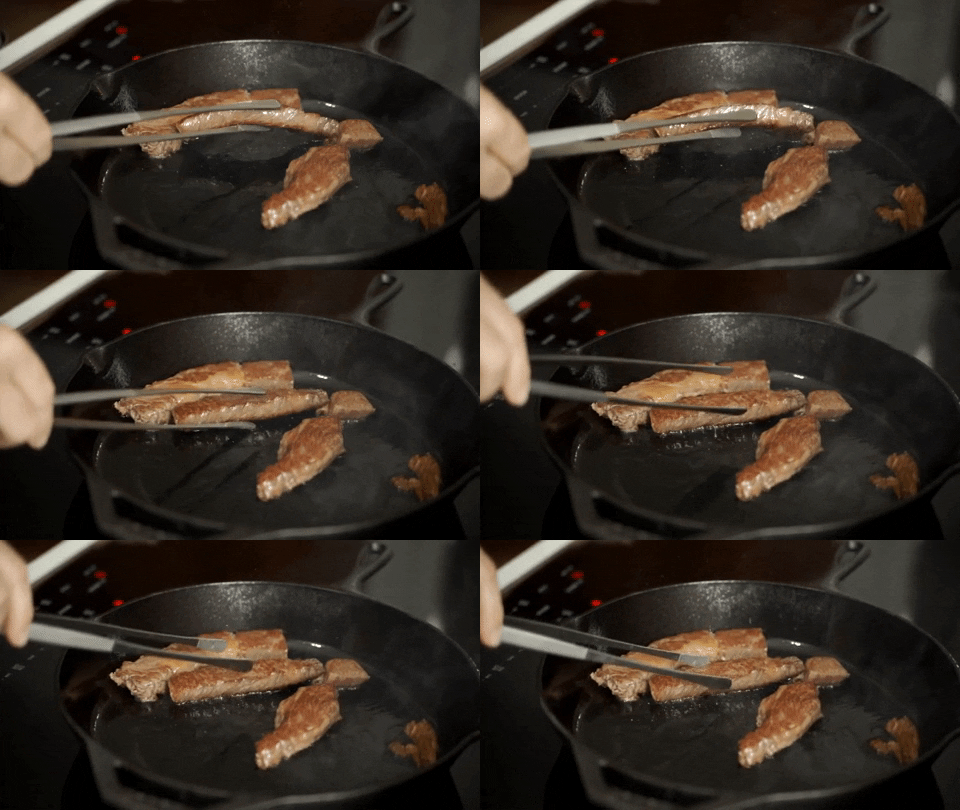
Sear in a cast iron over high heat, 2 minutes per side, to set a crust

Transfer to a 275°F oven and roast until internal temp hits 145°F — roughly 1.5–2 hours depending on size

Rest for at least 15 minutes before slicing; the fat needs time to redistribute

Slice against the grain in ¼-inch cuts for maximum tenderness

Braise (Best for Larger 2.5–3 lb Cuts)

Brown all sides hard in a Dutch oven — don't skip this, the fond is everything

Deglaze with dry white wine or sherry, add aromatics (onion, bay, thyme), and enough stock to come halfway up the meat

Cover and braise at 325°F for 2.5–3 hours until fork-tender

The collagen in the neck muscles converts to gelatin and enriches the braising liquid — don't discard it, reduce it into your sauce

Thin-Sliced Raw / Charcuterie Style

If you're dry-curing at home, use a standard salt-cure ratio (2.75% salt by weight) with pink curing salt #2, and cure for a minimum of 6–8 weeks in a controlled environment (55°F, 70–75% humidity)

For immediate use without curing, slice paper-thin with a sharp knife or mandoline and serve at room temperature — cold dulls the fat's flavor, so let it sit out 20 minutes before serving

Pairs exceptionally well with acidic accompaniments: pickled peppers, aged sherry vinegar, or a simple squeeze of lemon

Temperature Reference

145°F: USDA safe, slightly pink center, ideal for roasting and slicing

160°F+: Fully cooked through — acceptable for braising where texture matters more than color

Never above 165°F for a whole roast — you'll lose the fat quality that makes this cut worth buying

Stack Your Box Like a Pro

This product is a showstopper—but it’s even better with:

Ibérico Pork Coppa
Ibérico Pork Coppa

as seen on:

Ibérico pork | Pluma Steak - The Meatery

Iberico Pork: A completely new eating experience (must try)

From Nick:

"When I am asked, "What is your favorite meat that you sell?" believe it or not, Iberico Pork is the (current) answer.

While I obviously love Wagyu, the Iberico Pork is just so completely different from American pork. From the fact that you can cook it medium rare to the Wagyu-like marbling, it is just a really cool new eating experience.

The customers that I turn on to it without fail always make sure to reach out to me to tell me how good it was."


Unlike any pork you've ever eaten
Great for sharing!
does not need to be cooked well done!

we really, really care about our customers

Nick's favorite quote is "I didn't grow this business losing customers."

We take a lot of pride in being old school in our approach with customers, and our reviews show it.

san diego's #1 Ranked Butcher Shop

In just 5 short years we have become San Diego's highest-ranked Butcher Shop on Google Maps.

When you buy from us, you are buying from a real business with a brick & mortar presence...not just a faceless distribution facility.

package protection for your comfort

At checkout, you have the option to purchase inexpensive package protection that covers a comprehensive list of issues that could happen in any shipped order, such as porch pirates, delays by the carriers, thawed meat, etc.

We've got you covered!
cook iberico pork like you would a steak

Ibérico Pork | Coppa - The Meatery

Grilling Tips

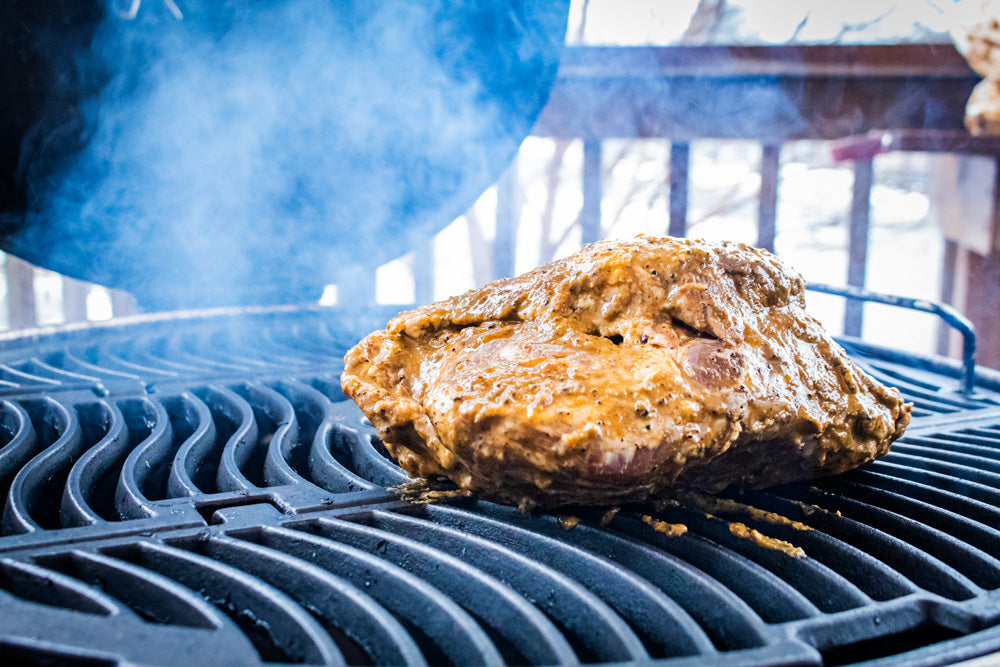
Iberico pork comes in a lot of shapes and sizes. Every one of which can be grilled. Like a steak, bring it up to room temperature and place it on medium-high heat, or if you are looking for a harder crust, place it on high heat.

For heavily marbled cuts, such as the Secreto, watch out for flare-ups.
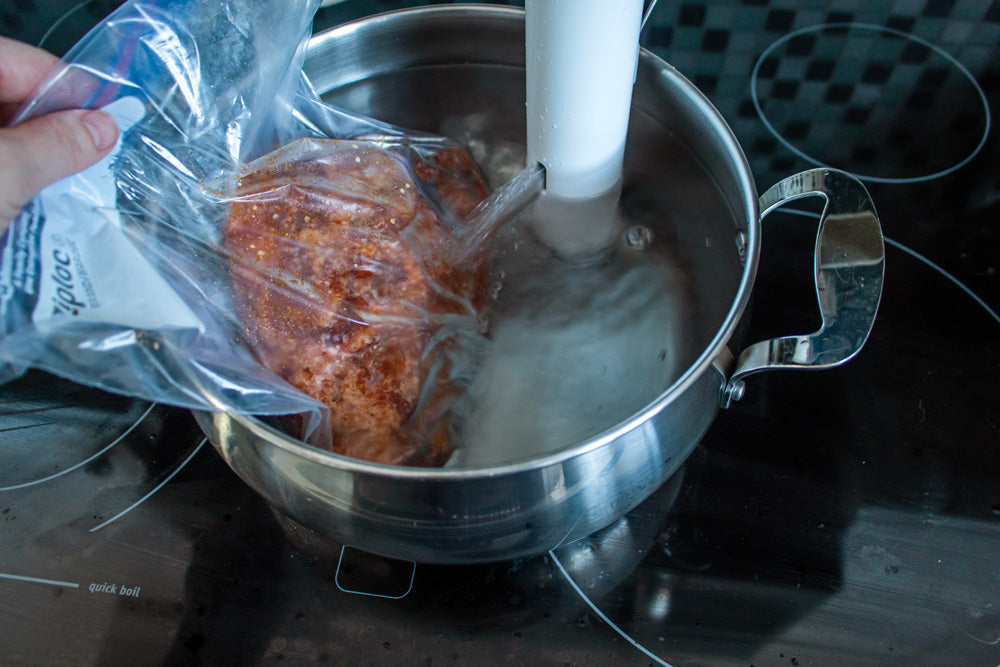
Sous Vide (+ Smoke or Sear)

Nick:

"One of my favorite methods to cook the larger Iberico Pork cuts, such as the Presa or Coppa, is to sous vide at about 10°F below my desired final temperature for a couple of hours.

I then will sear it on ultra high heat to get a crust if I am using my grill.

If I am using my smoker, I will put the meat in ice water to reduce the temperature and smoke it back up to temperature.
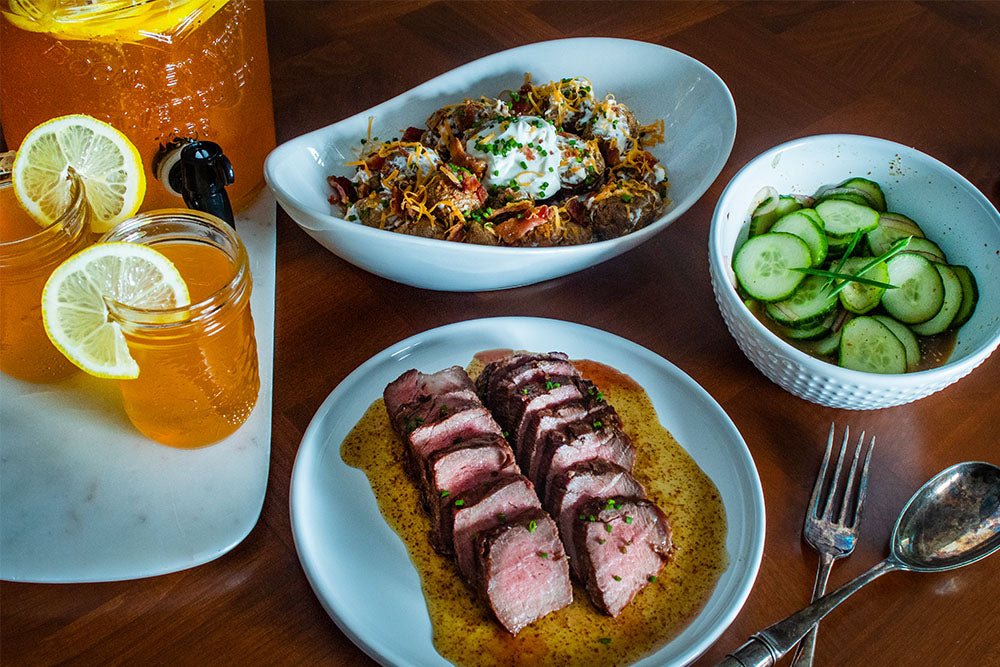
Ibérico Pork | Presa Steak - The Meatery

Oven Roasted

Low and Slow for Larger Cuts: If roasting a full cut like a shoulder or presa, begin at a lower oven temperature (275–325°F / 135–160°C) to allow the fat to slowly render and the meat to stay juicy.

Finish High: For a crisp exterior, finish the roast at a high temperature (450°F / 230°C) for the last 10–15 minutes.

For Smaller Cuts: Cuts like Secreto or Pluma may benefit from a shorter roast at moderate to high heat (375–400°F / 190–205°C) to achieve a balance of sear and tenderness.

Japanese A5 Wagyu | Certified Kobe Beef | Ribeye I BMS 12 | 10-12oz - The Meatery

frequently asked questions

How is the meat shipped?

The Meatery ships orders via 2nd Day Express Air, typically using UPS. They ship on Mondays, Tuesdays, and Wednesdays to ensure weekday delivery. Orders are packed in sturdy cooler boxes with gel packs and dry ice to maintain freshness. While the meat usually arrives frozen, some thawing is normal and it can be safely refrozen.

Where does The Meatery source its meat?

The Meatery goes to great lengths to source only the highest quality proteins from the most reputable, humane suppliers from around the world. We partner with trusted farms and suppliers who follow strict quality, hygiene, and ethical standards. This commitment ensures that all of our meat, including their premium Wagyu selections, is of the highest possible quality and has lived a humane, clean life prior to harvest.

What is The Meatery's return policy?

Due to the perishable nature of their products, The Meatery generally does not accept returns unless there is a problem with the order.

You're covered, though! During the checkout process you can choose to elect SavedBy Package Protection and be covered against theft, thawing, lost packages, quality issues, etc.

What is the 100% Freshness Guarantee?

The 100% Freshness Guarantee ensures your order arrives safely and in optimal condition. The meat is processed in a USDA-approved facility, vacuum-sealed, and shipped in sturdy cooler boxes with gel packs and dry ice. If your meat does not arrive cold to the touch or you believe its quality is compromised, please reach out to us and we will replace it immediately.

Does The Meatery offer local delivery or pickup?

Yes, The Meatery offers local pickup at our storefront in San Diego.

Simply select "Pickup in Store" during checkout (shipping options) and head on down!

How can I contact The Meatery for support?

For support, you're always welcome to email us for assistance with any questions or issues regarding your order.
hello@themeatery.com